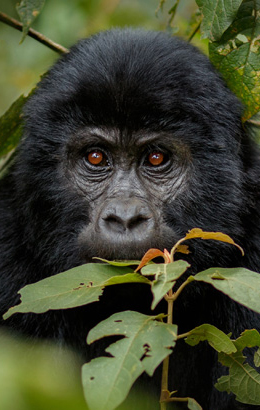

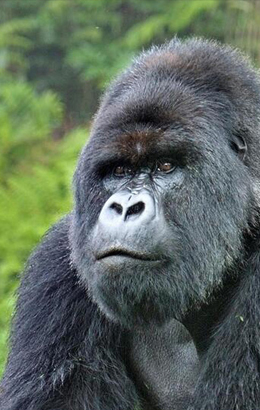
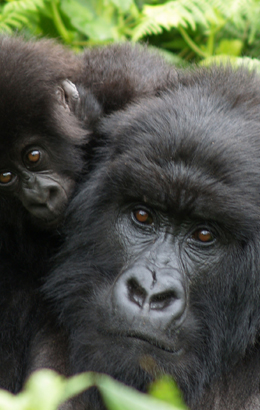




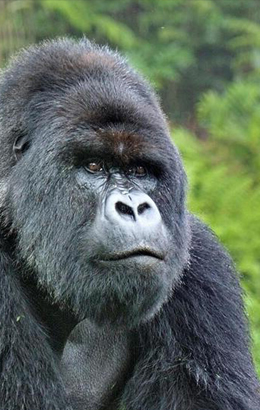
(Scientific name: Gorilla beringei beringei)
Scientific name: Gorilla gorilla diehli
Cross River Gorillas
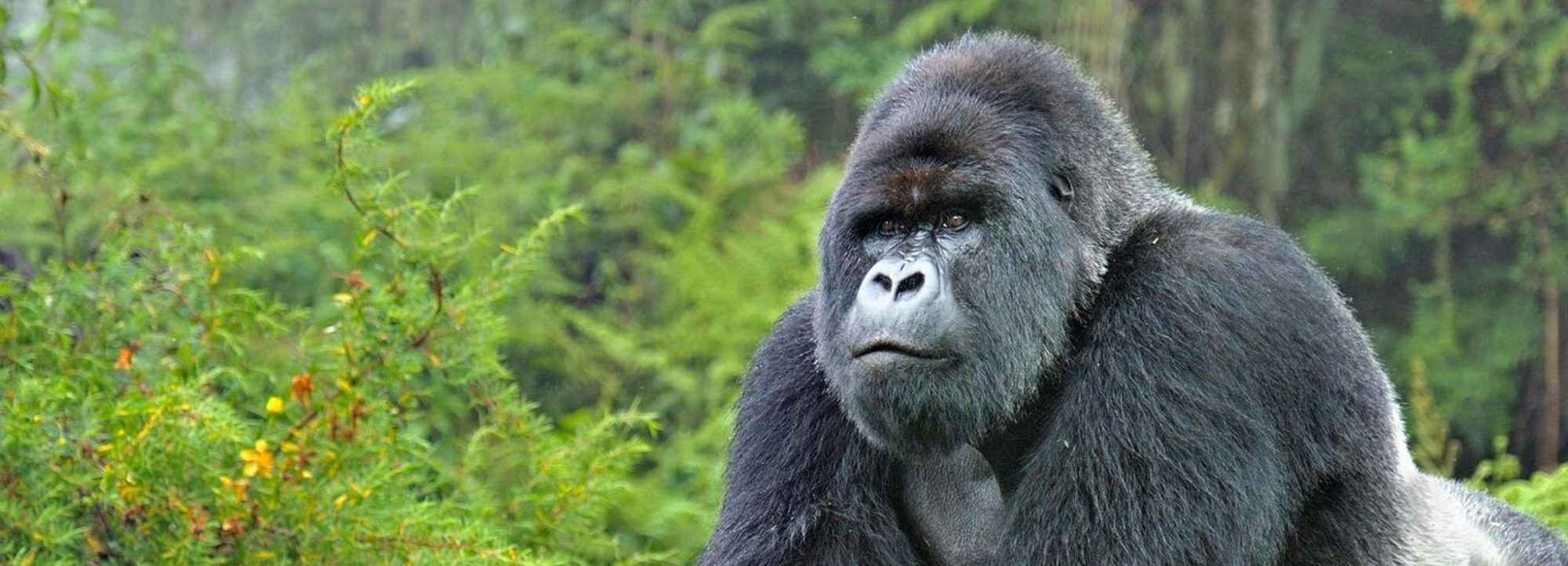
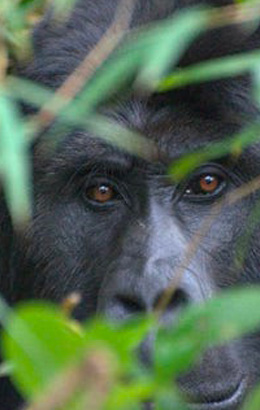
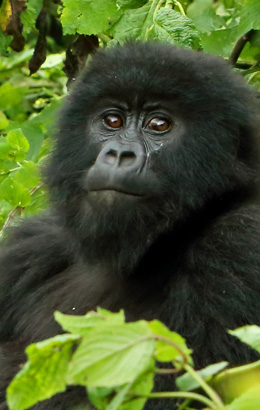
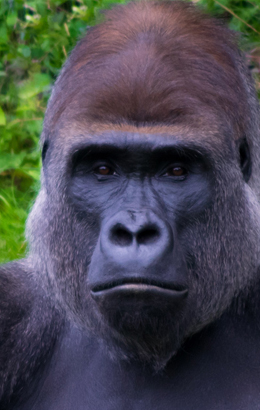
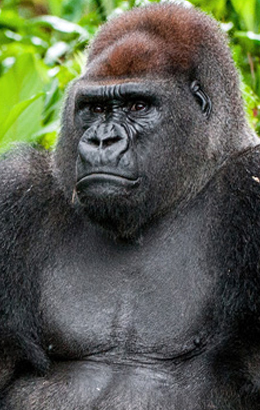
The rarest species of great ape in the world, Cross River gorillas, a critically endangered subspecies of the western lowland gorilla, are similar in appearance to western lowland gorillas but have a different shaped skull and tooth dimensions. They tend to have redder or greyer fur than eastern gorillas.
As with all gorillas, Cross River gorillas are sociable and live in groups led by the dominant male (silverback), but their group size tends to be smaller than other subspecies at fewer than six individuals. They are largely herbivorous, eating fruit, shoots and leaves.
Very little is known about this elusive sub-species of gorilla, except that their numbers are small and their highly fragmented environment could threaten their future. The Gorilla Organization funds African primatologists studying the Cross River gorillas through the Ymke Warren Memorial Conservation Award.
Cross River Gorilla population
Number remaining – Fewer than 300 cross river gorillas remain in the wild making them the world’s rarest great ape.
Cross River gorillas were thought to be extinct following the 1960s civil war in Nigeria. However, sightings were recorded during the 1980s, and small numbers of were identified in Cameroon and Nigeria on the banks of the Cross River.
Cross River gorillas are considered Critically Endangered IUCN’s Red List.
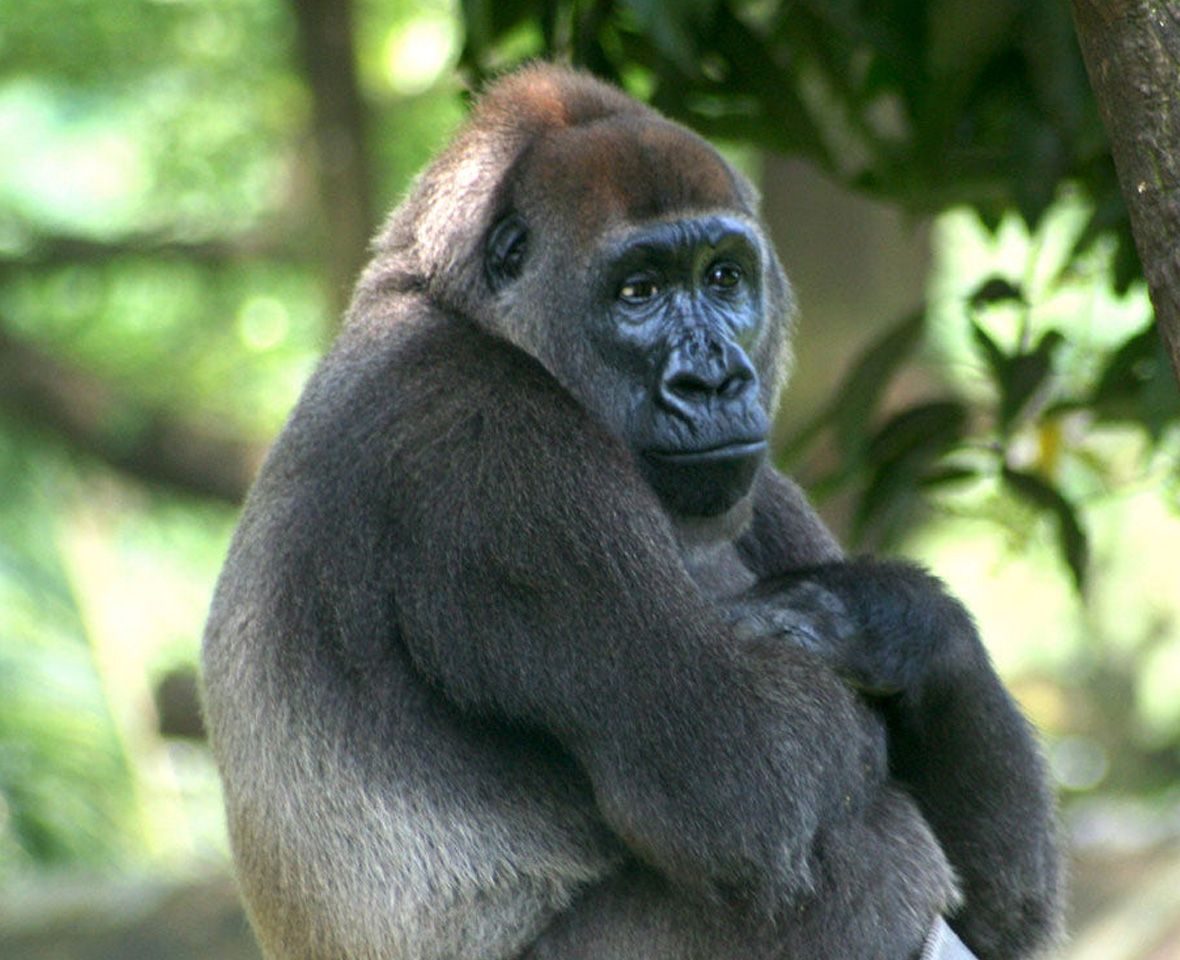

Cross River Gorilla habitat and homeland
Cross River gorillas are the most western and northern sub-species of gorilla and are restricted to a small area of highland forest on the border of Cameroon and Nigeria.
The Takamanda National Park and the Kagwene Gorilla Sanctuary are where most of the surviving members reside.
The Cross River gorilla, like many other gorilla subspecies, prefer a dense forest habitat that is uninhabited by humans. Due to the Cross River gorilla’s body size they require large and diverse areas of the forest to meet their habitat requirements.
Cross River Gorilla threats
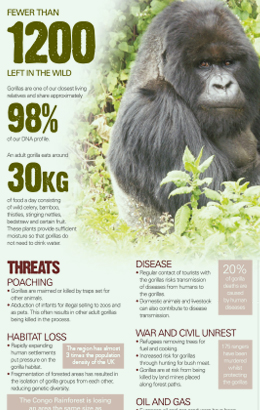
Habitat loss, hunting for bushmeat, disease, and population fragmentation are the main threats to the remaining Cross River gorillas.
Cross River gorillas typically reside in unprotected forest and therefore face the ongoing threat of habitat loss through logging for agriculture.
In addition, bushmeat hunting continues to put pressure on wild populations. Although illegal, hunting still takes place due to local consumption and trade. Because the Cross River population is so small, any hunting will have a huge impact on the species.
The subspecies also faces the risk of inbreeding and loss of genetic diversity due to the small population size and the low flow of genetic exchange between the different subpopulations.
Read more about the gorilla subspecies here:
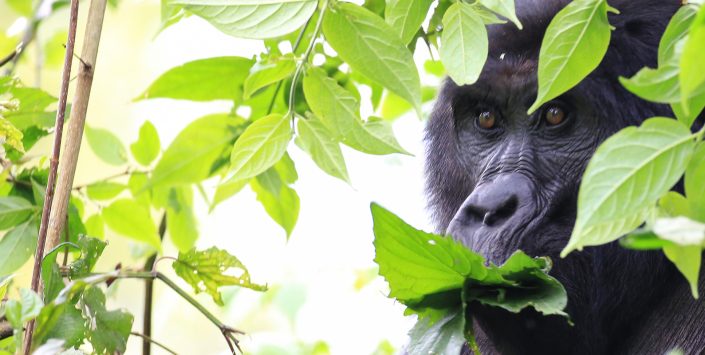
Mountain gorilla
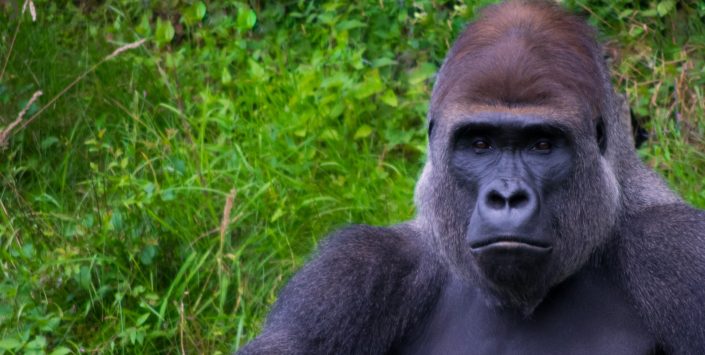
Eastern lowland gorilla
(Scientific name: Gorilla beringei graueri)
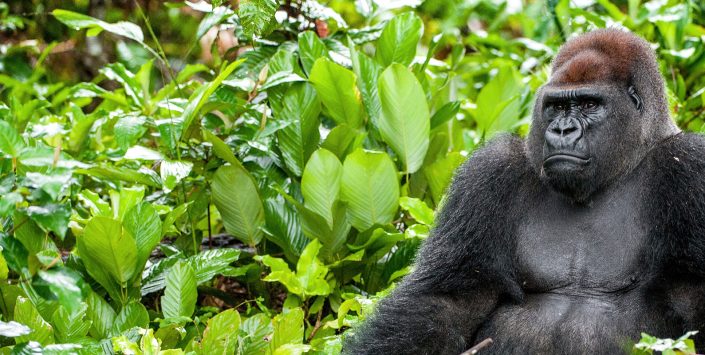
Western lowland gorilla
(Scientific name: Gorilla gorilla gorilla)
You can make a difference
We are dedicated to safeguarding the future of wild gorillas, but we cannot do it alone. A donation today, no matter how big or small, will support our vital work in protecting the worlds remaining wild gorillas.
There are just over 1,000 mountain gorillas left in the wild. Adopt a gorilla today for just £4 a month and help save a species on the edge of extinction.
Contact the Gorilla Organization
We’d love to hear from you in regards to our work in Africa to save the world’s last remaining gorillas.
Signup to our newsletter
Keep up-to-date with the latest news, events and campaigns from the Gorilla Organization.